By Flights From Home staff | Posted: January 12, 2026
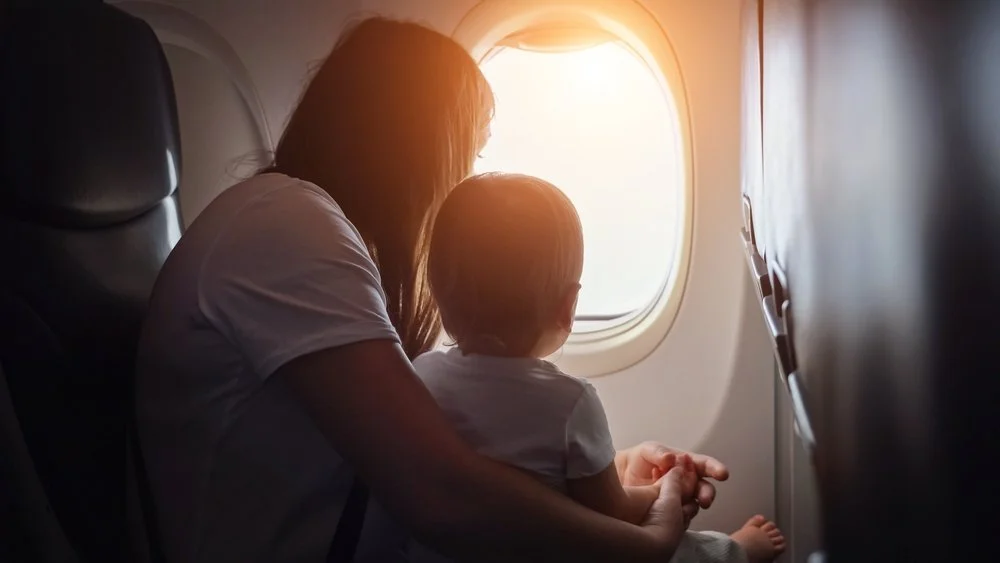
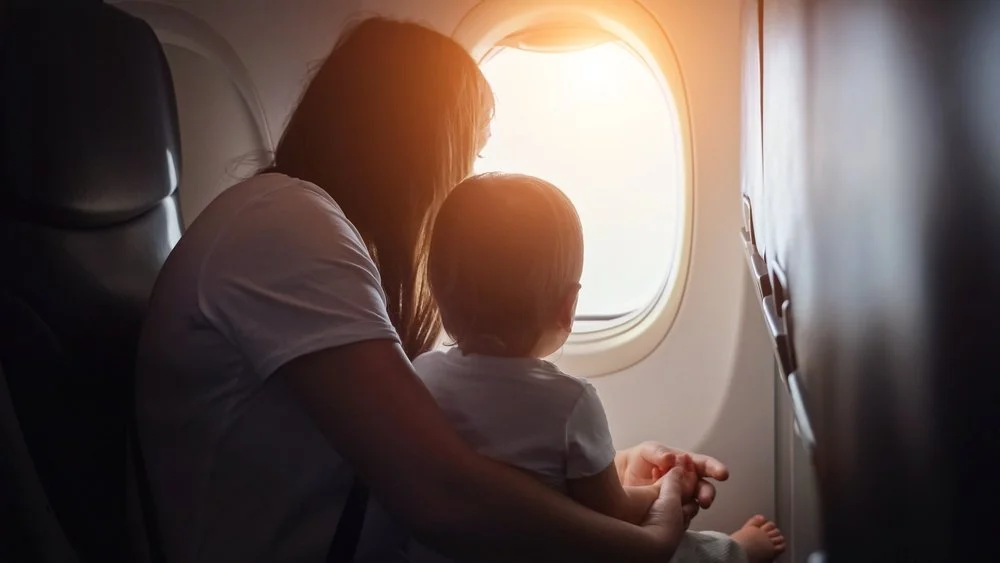
Flying with children can be difficult to navigate, but with some extra planning and the right tools, there are plenty of ways to make it easier for you and your little ones.
To help make traveling smoother for you, the Flights From Home team put together some of our tested tips and tricks for flying with children two and younger, including specific advice for long-haul and international flights.
General Flight Tips
Most airlines will allow you to check in a car seat and/or stroller at no cost. In most cases, you can gate check these items in case you plan on using them to get through the airport.
Breast milk, formula, baby food, etc., are not subject to TSA liquid restrictions for carry-ons since they are considered medically necessary liquids, so you aren’t limited to 3.4 ounces like other liquids. When going through security, make sure to inform a TSA officer that you are traveling with formula, etc., and remove the items to be screened separately. You can read more about TSA’s policy here.
The FAA strongly recommends that parents use FAA-approved car seats or child harness devices when flying. You can find more information on which devices are approved for flying and tips for using them on the FAA’s website.
If you plan to use a car seat on the flight, you’ll want to check the airline’s policies on the types and sizes of car seats that are approved by the airline and the FAA. Many airlines also only allow for car seats to be used in window seats, so plan ahead when choosing your seats.
While most basic economy fares don’t allow for seat selection, many airlines have family seating policies that guarantee young children will be seated by at least one accompanying adult without extra charge. (You can check out our blog post about family seating on various airlines here.) Even if an airline’s policy doesn’t guarantee seating families together who haven’t paid for seat selection, call the airline ahead of your flight and request that your child be seated with you. In many cases, the airline will accommodate, especially if you’re flying with very young children.
Bring plenty of snacks and get a few new toys to keep your child occupied on the flight.
Request kids' meals in advance. Many airlines have meals for children available, but most need to be requested ahead of time.
For babies, have them be asleep or sucking something (binky or bottle) during takeoff and landing to avoid air pressure problems.
Accept the kindness of strangers if someone offers to help!
Tips for long-haul and international flights
Most airlines charge for lap infants on international flights, so make sure to book your child’s ticket with yours. Tickets for lap infants will be cheaper than a standard passenger ticket. (Lap infants are typically free on U.S. domestic flights).
If traveling internationally, make sure you give yourself plenty of time when reentering the United States, especially if you will be going through U.S. Customs on your layover. If you can, book a direct flight home to make things smoother.
Check to see if your departure and/or layover airport has a children’s play area to help your kid get their energy out and take a break before getting on the plane!
If you’re flying internationally with a baby, some airlines have cots or bassinets available. Most are first-come, first-served, so check with your airline in advance to see if they can help accommodate your family.
Make sure your child’s passport has more than six months left before the expiration date.
Choose overnight flights so that your baby will sleep the whole time. Sometimes that is easier!
And the most important tip: Stay calm. Everything will be ok.
Related Posts